
Contractor Legal & Licensing Checklist: What Every Alberta Homeowner Must Verify Before Signing
By Afroz Shaik, Founder, AM Builders | September 7, 2026 | 8 min read

Quick Answer
Before hiring any contractor in Alberta, confirm these six things in writing: (1) municipal business licensing, (2) an active WCB clearance letter, (3) minimum $2M general liability insurance naming you as Additional Insured, (4) proof that subcontractors are insured and WCB-covered, (5) a clear plan for the 10% statutory holdback under the Builders' Lien Act, and (6) whether Alberta New Home Warranty applies to your project.
- No documentation = no work starts, full stop.
- A trustworthy contractor will never hesitate to produce these.
1. Business Licensing & Registration
An unlicensed contractor has no legal standing to pull a building permit in most Alberta municipalities, and licensing is granted city by city — a contractor registered in Calgary isn't automatically licensed to work in Airdrie, Chestermere, or Cochrane. This single gap is where a lot of homeowner fraud starts.
Tip
If they can't produce a registration number in ten seconds, that's your answer.
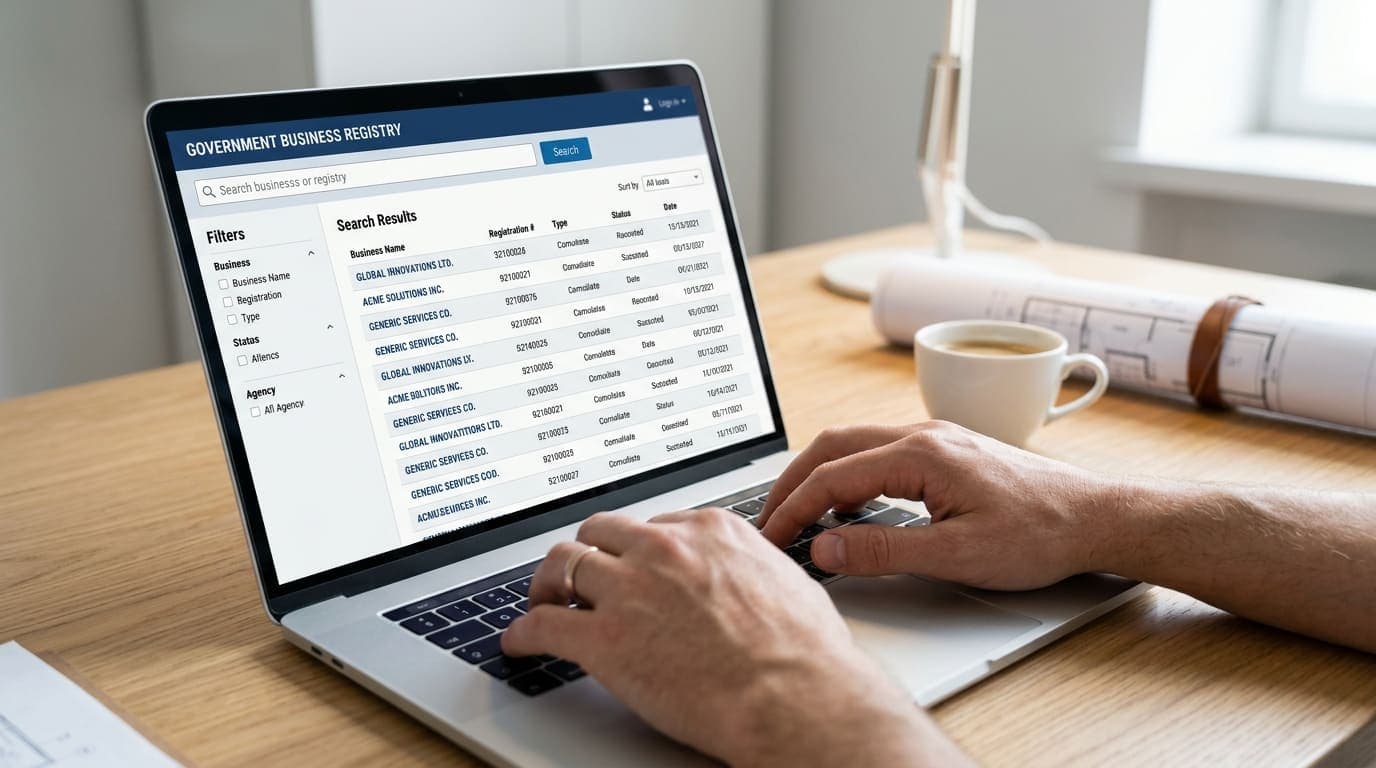
Ask directly: what's your business registration number, and are you licensed specifically in the municipality where the work will happen? Then verify it yourself through the Alberta Corporate Registry rather than taking a business card at face value.
Tip
Trust, but verify — a five-minute registry search can save you a five-figure mistake.
2. WCB Coverage
If an uninsured worker is injured on your property, you — the homeowner — can be pulled into the claim, even if you had nothing to do with hiring that specific worker. A current WCB Alberta clearance letter is the single fastest way to rule this risk out.
Tip
“My guys are all subs, so WCB doesn't apply” is one of the most expensive sentences in construction.

Ask for the clearance letter and cross-check it directly at wcb.ab.ca — it takes less time than reading the rest of this paragraph. Confirm the date range covers your entire project, not just the day you asked.
Tip
An expired clearance letter is worse than no letter at all — it's a false sense of security.
3. General Liability & Builder's Risk Insurance
General liability insurance covers property damage and third-party injury during your project; builder's risk insurance covers the work itself against fire, theft, or weather damage before it's complete. Without both, a single bad afternoon can become a lawsuit against your household.
Tip
Insurance isn't a paperwork formality — it's the only thing standing between a job-site accident and your bank account.

Ask for a minimum of $2 million in coverage and request to be named as Additional Insured on the Certificate of Insurance, valid for the full duration of the build — including the scheduling and site-safety period before and after the main work.
Tip
“Additional Insured” is four words that decide who pays if things go wrong.
4. Subcontractor Risk Transfer
Hiring subs doesn't make a general contractor's liability disappear — and it definitely doesn't make yours disappear. Every trade on your property should carry their own Certificate of Insurance, WCB clearance, and a signed agreement with the GC before they ever pick up a tool.
Tip
A GC's insurance protects you from the GC — not from the plumber they hired last week.
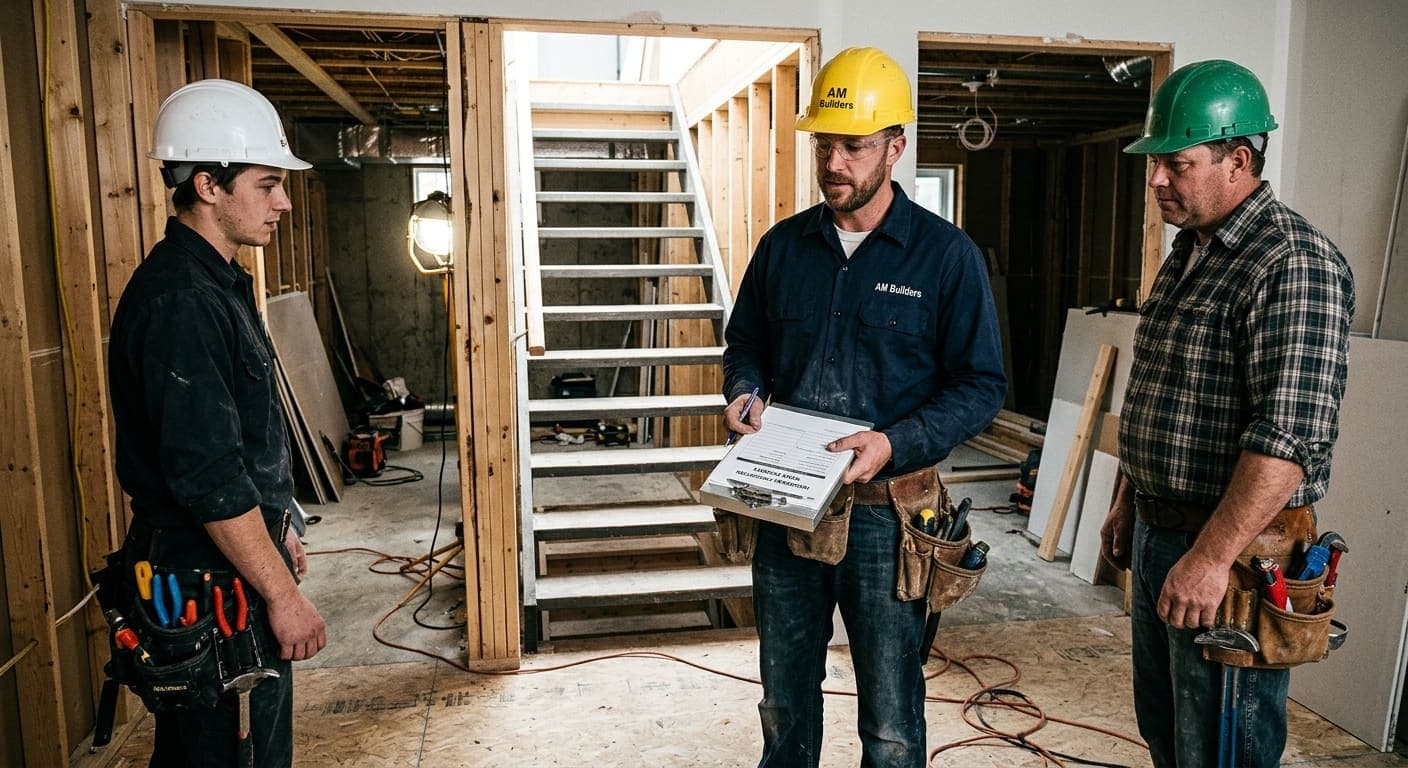
Ask how the contractor vets and documents every sub — and ask to see the paper trail, not just hear about it. This becomes especially important for structural work where the trade's competence directly affects your home's safety.
Tip
No paperwork, no protection — verbal agreements don't hold up when something breaks.
5. Builders' Lien Act Compliance
Here's the part that surprises most homeowners: under Alberta's Builders' Lien Act, an unpaid subcontractor or supplier can register a lien against your property title even after you've paid the general contractor in full. The GC's failure to pay their trades becomes your legal problem.
Tip
You can pay every invoice on time and still end up with a lien on your title — if the GC didn't pass the money along.
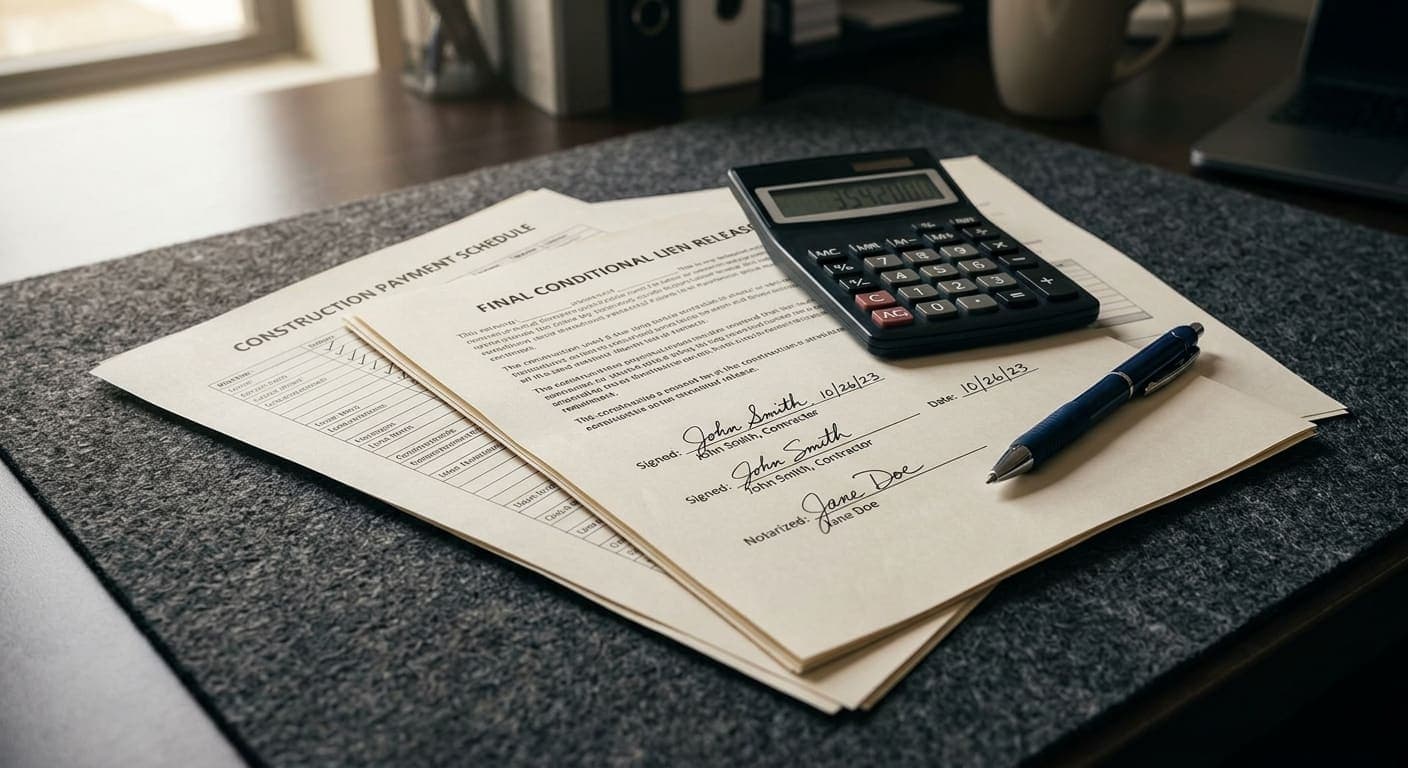
Ask how the 10% statutory holdback is managed and whether you'll receive signed lien releases from every sub and supplier at each payment milestone. A contractor who suggests skipping the holdback “to speed things up” is asking you to take on their financial risk.
Tip
The 10% holdback isn't red tape — it's your insurance policy against someone else's unpaid bill.
6. New Home Warranty (Where Applicable)
Alberta's New Home Buyer Protection Act mandates warranty coverage for new residential construction, and some major renovations trigger it too. This is separate from — and doesn't replace — a contractor's own workmanship warranty.
Tip
A handshake warranty from a company that could close tomorrow isn't a warranty — it's a hope.
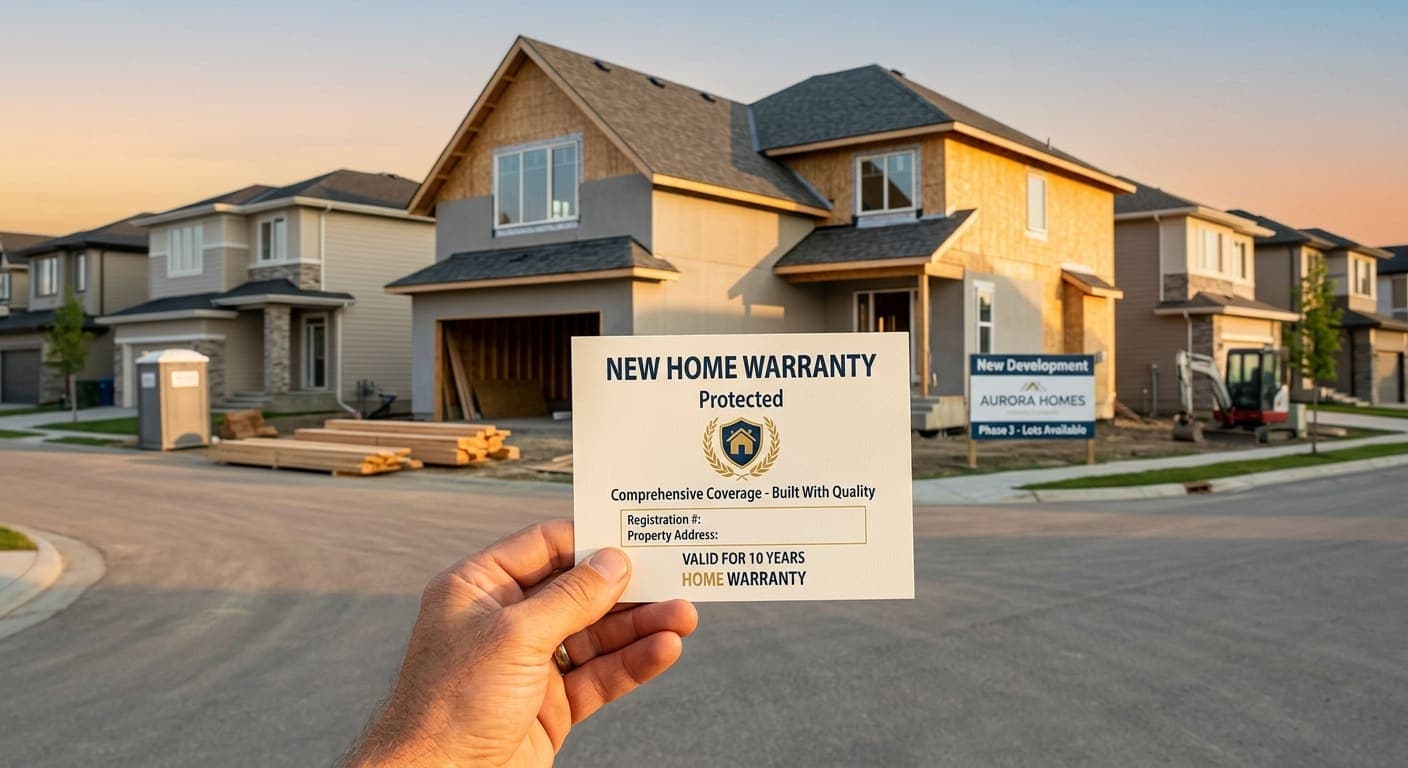
Ask plainly whether your project is subject to New Home Warranty requirements, and if so, which licensed provider covers it. If the contractor doesn't know the Act exists, treat that as a serious red flag about their overall compliance knowledge — the kind that also shows up in building science shortcuts and code compliance.
Tip
If they've never heard of New Home Warranty, ask yourself what else they've never heard of.
Don't Sign Anything Until You've Checked These 27 Boxes
Legal & licensing is just one of seven categories in our full contractor vetting checklist. Get the complete, free guide — or talk to a team that already builds this way.
AM Builders — Basement Development, Home Renovations, New Home Construction & Commercial Construction across Calgary, Airdrie, Chestermere & Cochrane.
This article is for general educational purposes and reflects common Alberta requirements as of September 2026. It is not legal advice. Always confirm current requirements with your municipality, WCB Alberta, and a licensed lawyer before signing a construction contract.
Frequently Asked Questions
Is a contractor required to be licensed in Alberta?
Most Alberta municipalities require a business license to operate as a contractor, and licensed trades — electrical, plumbing, gas — must be performed by certified journeypersons regardless of the general contractor's own licensing. Requirements vary by city, so a contractor licensed in Calgary is not automatically licensed to work in Airdrie or Chestermere.
What is WCB clearance and why does it matter for homeowners?
A WCB (Workers' Compensation Board) clearance letter confirms a contractor's account is in good standing. Without it, an injured worker on your property could pursue you directly for medical and lost-wage costs. Always verify the clearance letter online at wcb.ab.ca before work begins.
Can a subcontractor put a lien on my house even if I paid the general contractor in full?
Yes. Under Alberta's Builders' Lien Act, unpaid subcontractors and suppliers can register a lien against your property title even after you've paid the general contractor, if the GC never paid them. This is why a 10% statutory holdback and signed lien releases at each payment milestone matter.
How much liability insurance should a residential contractor carry?
For most residential projects in Alberta, look for a minimum of $2 million in general liability coverage, with the contractor able to name you as an Additional Insured on the Certificate of Insurance for the project duration.
Does Alberta New Home Warranty apply to renovations?
New Home Warranty is mandatory for new residential construction under Alberta's New Home Buyer Protection Act, and can apply to some major renovations depending on scope. Ask your contractor directly whether your project triggers this requirement and which provider covers it.